National SCP Context
Viet Nam has issued a National Action Plan on Sustainable Consumption and Production (SCP) 2021–2030[1]. The 2020 Law on Environmental Protection[2] introduced key innovations to promote circular, green, and low-carbon economies, enhance resource efficiency, improve waste management, and strengthen pollution control. The country set a National Strategy for Integrated Solid Waste Management for 2025, with a vision to 2050[3]. Building on these efforts, Viet Nam has developed a National Action Plan for Circular Economy Implementation by 2035[4] and is actively working to enhance Extended Producer Responsibility (EPR) laws[5], which are designed to vary by product type.
Connection to the Global Agenda
Viet Nam has shown strong commitment to the 2030 Agenda by integrating the 17 SDGs into its National Action Plan for 2021–2030 with a vision to 2050[6], and mainstreaming them into socio-economic strategies and sectoral policies at all levels. The National Socio-Economic Development Strategy 2021–2030[7] also fully incorporates the SDGs, serving as a key foundation for their effective implementation. Viet Nam presented its first Voluntary National Review (VNR) at the High-Level Political Forum (HLPF) in 2018 and its second in 2023, highlighting significant institutional and policy progress in advancing the SDGs.[8] In terms of managing persistent organic pollutants, the country has implemented the National Plan for the Stockholm Convention on POPs through 2025, with a vision to 2030.[9]
A key solution to Climate Change
Vietnam is addressing climate change through a comprehensive National Climate Change Strategy to 2050, which focuses on both reducing greenhouse gas emissions (mitigation) and enhancing resilience to climate impacts (adaptation). Key solutions involve a cross-sector approach with significant investment in renewable energy, sustainable agriculture, forestry, textiles/footwear and advanced waste management.
The National Green Growth Strategy for 2021–2030, with a vision to 2050 aims to promote green growth by restructuring the economy, shifting to a sustainable growth model, and moving toward a carbon-neutral economy to combat global warming.[10] At COP26, the country pledged to achieve net-zero emissions by 2050. To support this, the government issued Decree No. 06/2022/ND-CP [11], which outlines measures for emissions reduction, ozone protection, carbon market development, renewable energy promotion, and energy efficiency.8 The updated NDC increased its unconditional target to reduce GHG emissions by 15.8% below business-as-usual (BAU) levels by 2030, up from 9% in the previous NDC with a conditional contribution raised from 27% to 43.5%.[12] The Corporate Sustainability Index (CSI)[13] helps businesses manage sustainability practices, including circular economy models to address climate change.
Priority sectors
- Enhancing and improving the scope of enterprise participation in sustainable production practices and their integration into sustainable supply chains is essential.8
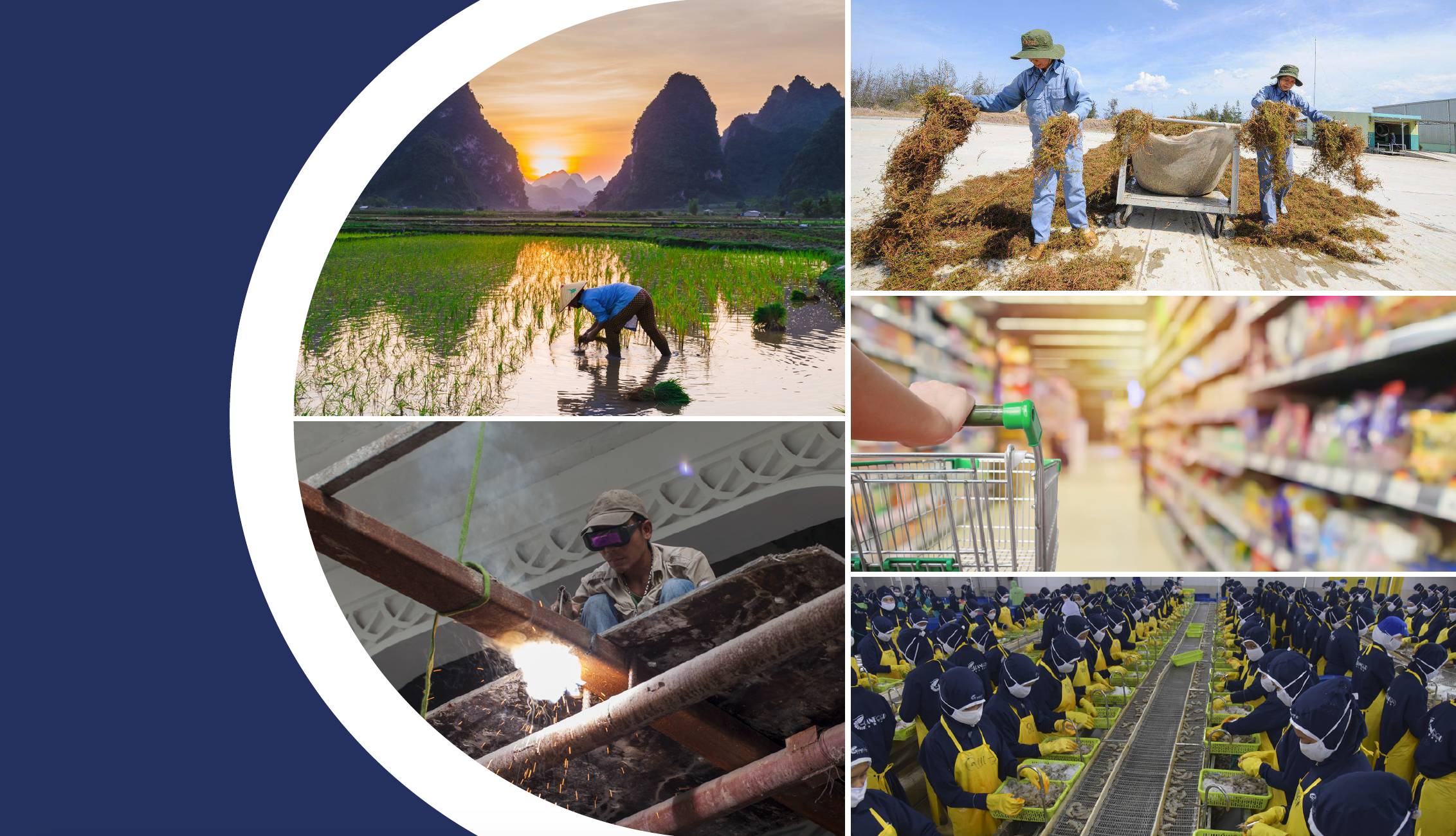
- Efforts to improve the agriculture and food systems include strengthening public-private partnerships, enhancing agri-food processing, linking farmers with cooperatives, and investing in technology to reduce food waste and promote high-value agricultural by-products.8
- Viet Nam aims to enhance awareness and community responsibility in waste segregation and treatment in both rural and urban areas to reduce waste generation.8
- Developing public transport, using low-emission fuels (CNG/LPG), and promoting energy-efficient vehicles.
- Improving waste management through moving from landfills to advanced solutions like waste-to-energy and recycling; integrating waste management into circular models.
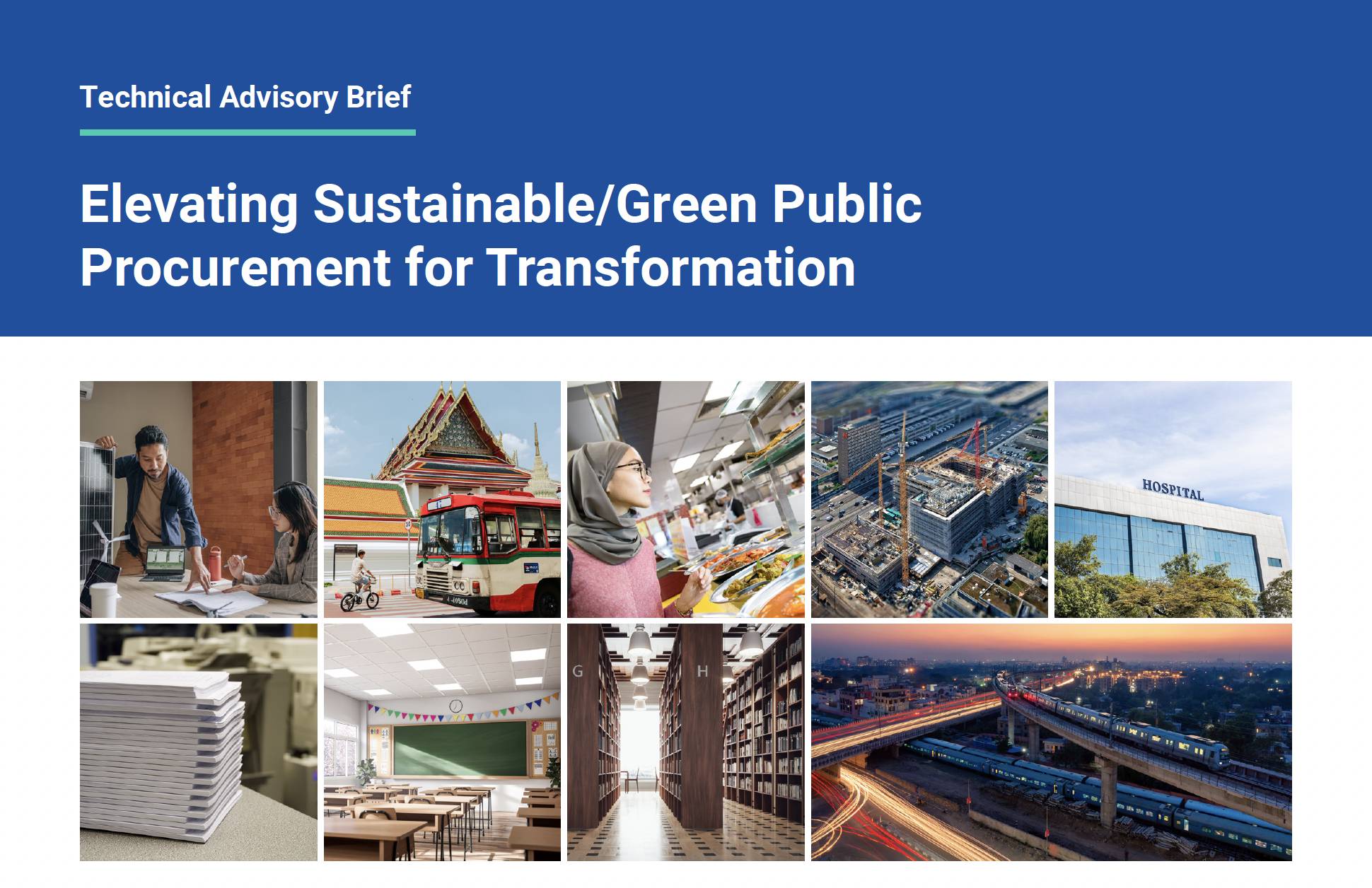
- Viet Nam is dedicated to finalizing its legal and institutional framework for sustainable and green public procurement (GPP).[14]
- The country is ambitious in advancing circular economy development, actively creating and implementing a roadmap to facilitate circular economy models and projects at the local level.[15]
Cross-Cutting Themes
- Applying high-tech solutions, clean technologies, and digital tools for efficiency and emission reduction.
- Strengthening implementation of national strategies/plans and promoting private sector involvement.
[1] Ministry of Industry and Trade. (2020). National Action Plan on Sustainable Consumption and Production 2021 – 2030
[2] Socialist Republic of Vietnam. (2022). Law on Environmental Protection 2020 and Decree No. 08/2022/ND-CP
[3] Decision No. 2149/QD-TTg dated 17/12/2009 of the Prime Minister
[4] Decision No. 222/QD-TTg dated 23/01/2025 of the Prime Minister
[5] Decree No. 08/2022/ND-CP on Extended Producer Responsibility (EPR)
[6] UNDP. (2023). Vietnam National Action Plan 2021–2030 Vision to 2050
[7] Decision No. 16/2021/QH15 dated 27/07/2021 of the Prime Minister
[8] Socialist Republic of Vietnam. (2023). Voluntary National Review 2023 on the Implementation of the Sustainable Development Goals
[9] Socialist Republic of Vietnam. (2017). National Plan for the Stockholm Convention on POPs by 2025, with a vision to 2030 nationwide
[10] Socialist Republic of Vietnam. (2021). National Green Growth Strategy for 2021-2030, vision towards 2050
[11] Socialist Republic of Vietnam. (2022). Decree No. 06/2022/ND-CP
[12] Socialist Republic of Vietnam. (2022). Nationally Determined Contribution
[13] Viet Nam Business Council for Sustainable Development (VBCSD) - Corporate Sustainability Index (CSI) Website
[14] The SWITCH-Asia Programme. (2024). Detailed Assessment of Sustainable/Green Public Procurement in Vietnam
[15] Decision no. 687/QD-TTg dated 07/06/2022
A look back at milestones that shaped our work
2018
SCP Facility
- Preliminary assessment of SCP related policies, activities, needs/gaps, and opportunities.
Regional Policy Advocacy Component (RPAC)
Facilitated the participation of Vietnamese key-stakeholders in the following regional/ sub-regional activities:
- Asia Pacific Low Carbon Lifestyles Challenge (19-22 Mar 2018), hosted by Thailand, regional level
- Transforming Asia Pacific: Innovative Solutions, Circular Economy and Low Carbon Lifestyles (17-19 Sep 2018), hosted by Thailand, regional level
- Asian Circular Economy Leadership Academy (3-8 Dec 2018), hosted by Thailand, regional level
2019
SCP Facility
- A multi-stakeholder consultation was organised on 26 April 2019 followed by a demand to support the update of the National Action Plan and implementation of specific activities.
- A first draft of the National Action Plan (NAP) on SCP was prepared and a first consultation was organised on 20 September 2019. A second draft of the NAP-SCP was circulated among stakeholders and a second consultation took place on 5 November 2019 and co-organised with MOIT;
- A revised and final draft of the NAP-SCP was submitted to the Prime Minister in mid-November.
- Specific terms of reference for selected thematic activities are currently being prepared.
Regional Policy Advocacy Component (RPAC)
Facilitated the participation of Vietnamese key-stakeholders in the following regional/ sub-regional activities:
- “Sustainability Reporting – Thinking Circular Economy by Businesses” - This event was organised back-to-back with 2019 Asia Pacific Forum on Sustainable Development (27 Mar 2019), hosted by Thailand, regional level
- Businesses Accelerating Inclusive Green Economies – "Leaving No One Behind” - Side event on the Responsible Business and Human Rights Forum co-organised by the Royal Thai Government, OECD, United Nations Development Programme (UNDP), ESCAP, International Labour Organization (ILO) and with the participation of the UN Working Group on Business and Human Rights (11 Jun 2019), hosted by Thailand, regional level
- 2019 Southeast and Northeast Asia Policy Dialogue and Training on “Harmonizing SPP practices and Measuring SPP benefits” - The activity took place in parallel with a series of events related to green procurement organized by the China Environmental United Certification Center (CEC) (23 - 25 Oct 2019), hosted by China, regional level
- WEBINAR: SDG 12.1 Reporting for SWITCH-Asia Countries – Connecting the dots between actions and reporting (5 Nov 2019), regional level
- Policy Dialogue on SDG12 Reporting (21 Nov 2019), hosted by Vietnam, regional level
- 2019 SWITCH-Asia Leadership Academy on Circular Economy (2-6 Dec 2019), hosted by China, regional level
- "Supporting decision making on SCP through training on Sustainable Procurement” - This event was organised back-to-back with International Conference on Sustainable Energy and Green Technology 2019 (11 Dec 2019, hosted by Thailand, regional level
2020-2021
SCP Facility
Collaboration with the National Focal Point, the Ministry of Industry and Trade Vietnam for the SCP Facility to implement the following activities:
- Development of the new National Action Plan on SCP (2021–2030), which was approved by the Prime Minister last 24 June 2020
- The NAP on SCP was translated to English for publication and launch event organised in coordination with MOIT
2020
Regional Policy Advocacy Component (RPAC)
Facilitated the participation of Vietnamese key-stakeholders in the following national activity:
- Provided technical and reporting support to mainstream circular economy into National Development Plan through process of developing 3 policy supporting documents to facilitate the mainstreaming process for the Parliament.
Facilitated the participation of Vietnamese key-stakeholders in the following regional/sub-regional activities:
- SWITCH2Green Meeting - RPAC initiated the discussion and shared the first report in 2020. (April 2020)
- MOVING THE NEEDLE ON CLIMATE CHANGE – The event was co-organised by the UNESCAP as a part of the 2020 Virtual United Nations Responsible Business and Human Right Forum (RBHRF) (10 Jun 2020), regional level
- WORLD ENVIRONMENT DAY 2020 – A media kit was provided to call for action to promote SCP as a part of the 2020 World Environment Day (WED) celebration (5-7 Jun 2020), regional level
- Intervention in regional forum: Webinar on Sustainable Lifestyles for Plastics & Packaging Waste Management During a Pandemic COVID-19 (6 Aug 2020), regional level
- SCP in Tourism: Opportunities and Challenges with COVID-19 (8 Oct 2020), regional level
- Innovation and Connectivity through Farm to Fork (13 Nov 2020), regional level
- Sustainable Lifestyles for SCP (19 Nov 2020), regional level
- Support to Steering Committee of SWITCH-Asia – Provide support for the annual Steering Committee Meeting to review each country proposed 2021 workplan (3 Dec 2020), regional level
- Regional Policy Dialogue on Circular Cities (4 Dec 2020), regional level
- Regional Dialogue Driving Mechanisms for Eco-Design in Asia (9 Dec 2020), regional level
- Leadership Academy on Circular Economy 2020 (14-18 Dec 2020), regional level
- Webinar: Innovations & Startups (16 Dec 2020), regional level
2022
SCP Facility
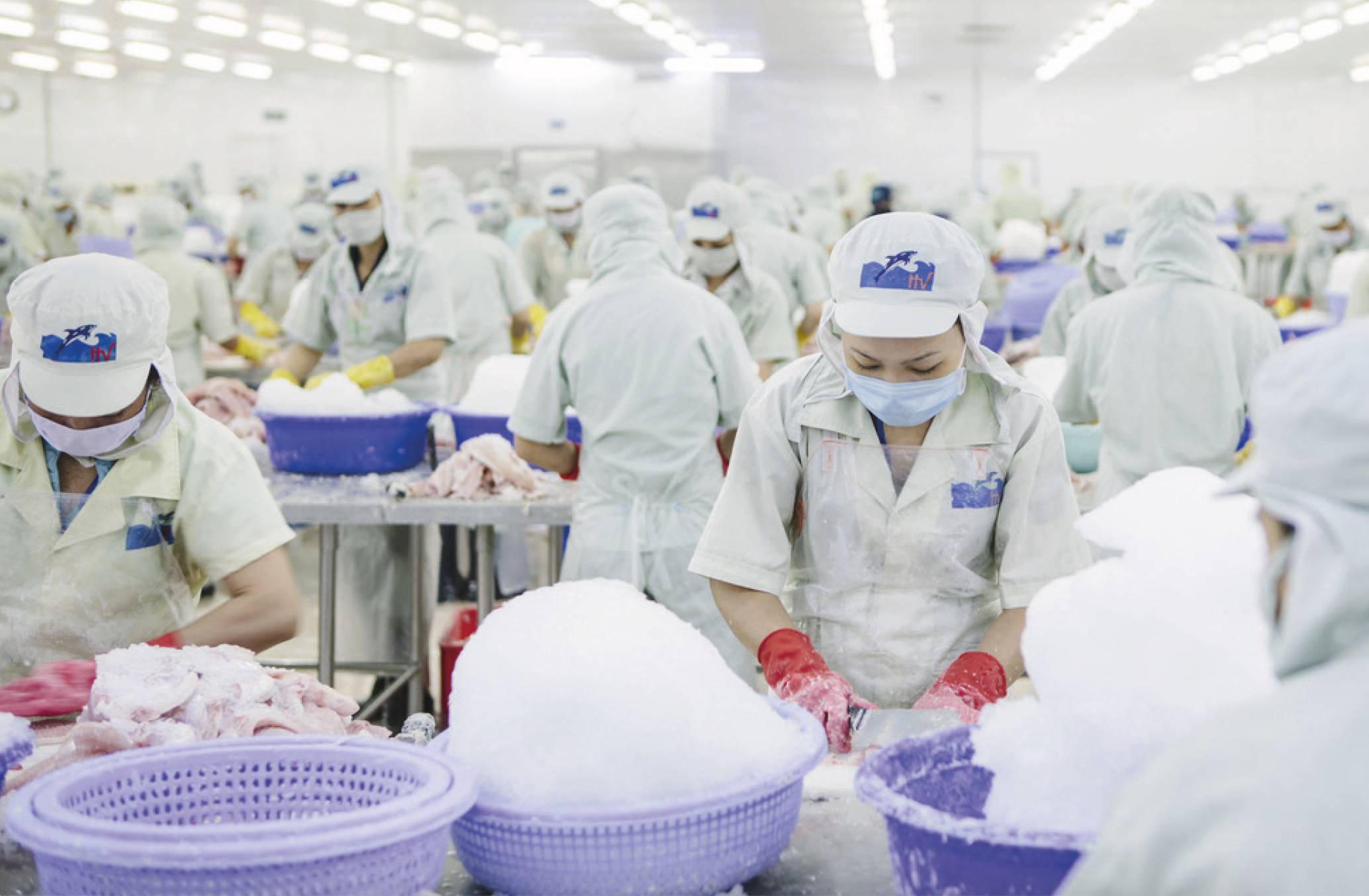
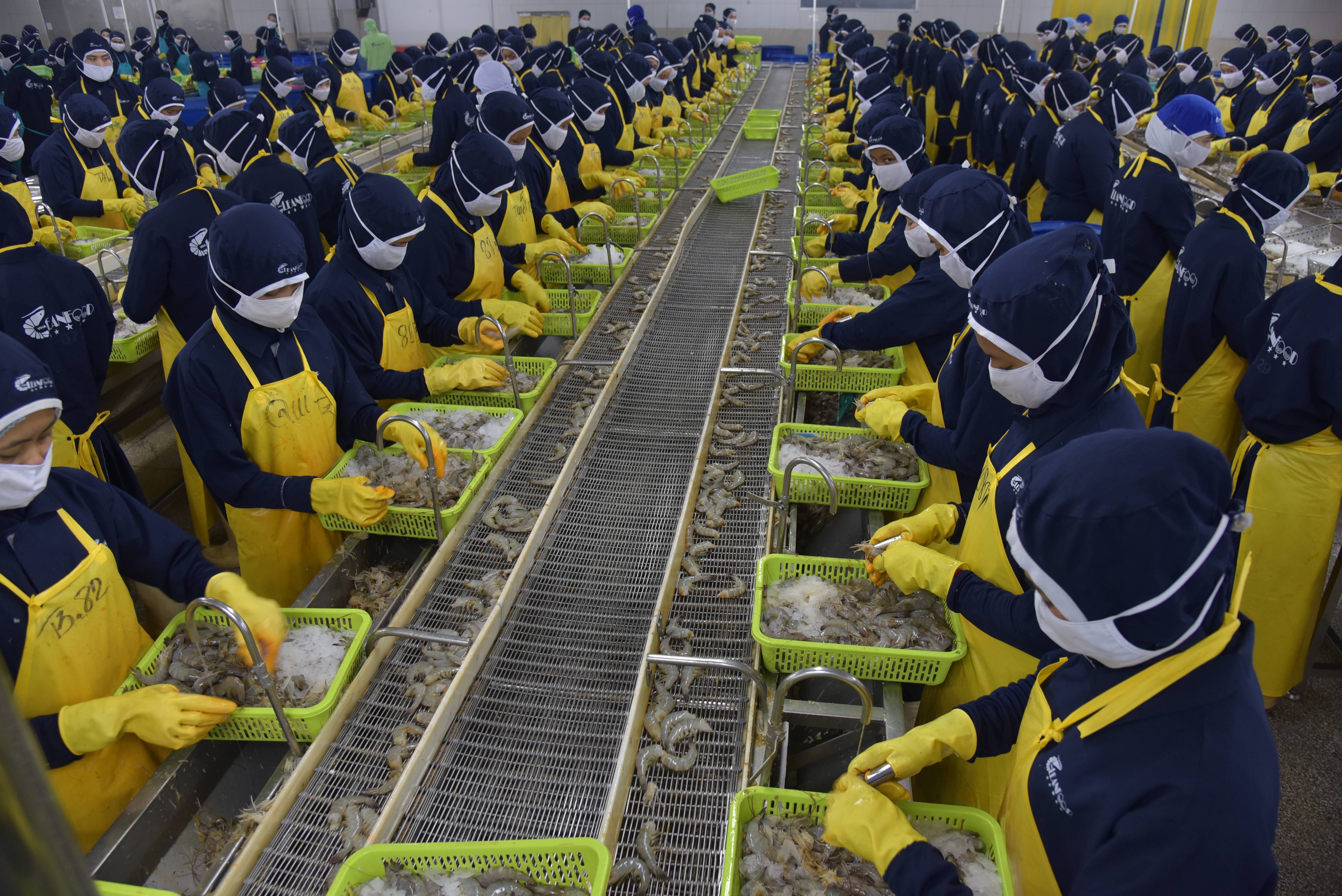
- Policy assessment and capacity building on “Enhancing SCP in Seafood Sector in Vietnam” conducted
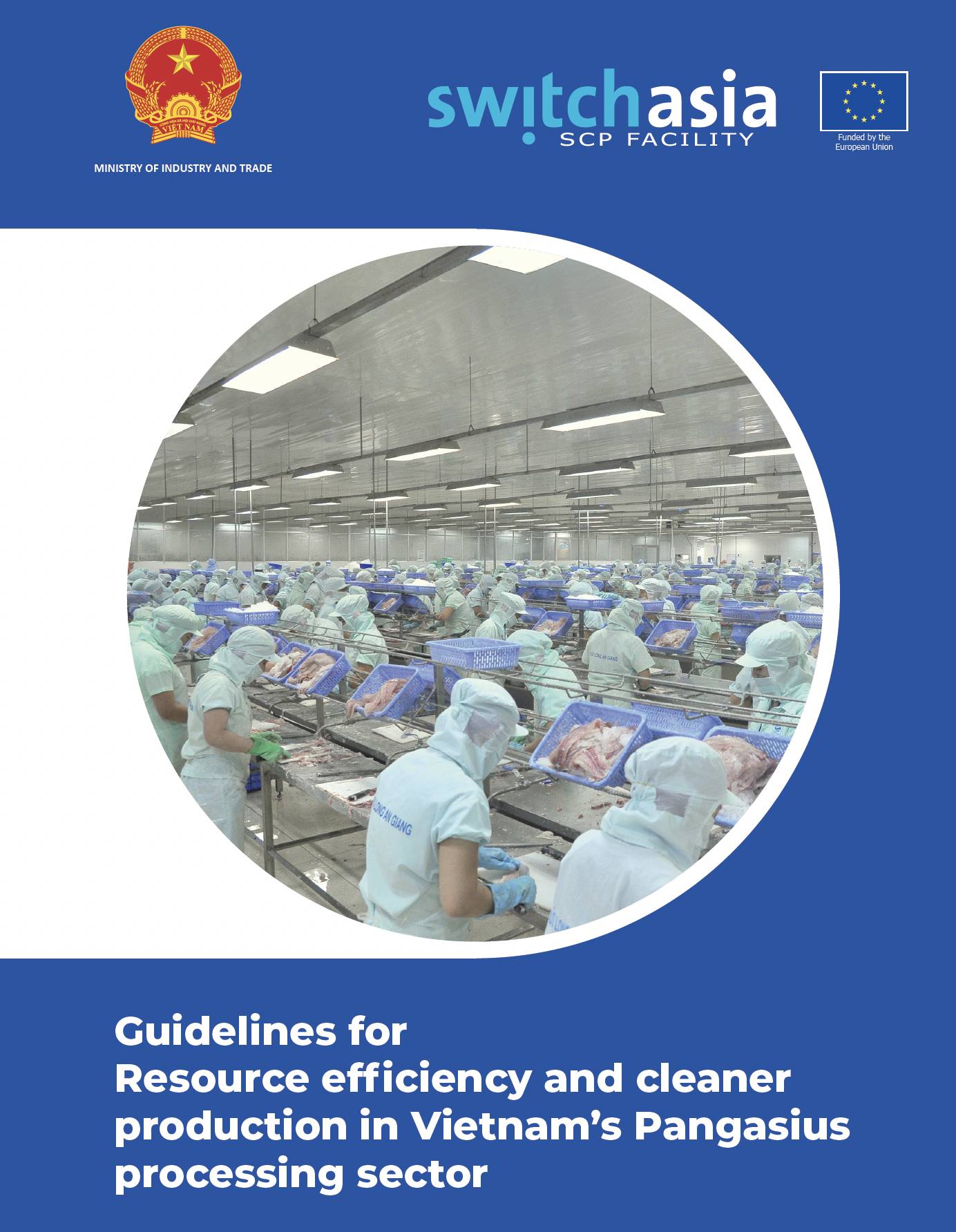
- Guidelines on Sustainable Seafood on Consumption and Production (SSCP), Pangasius Manual, and consumer information materials for awareness raising campaigns prepared