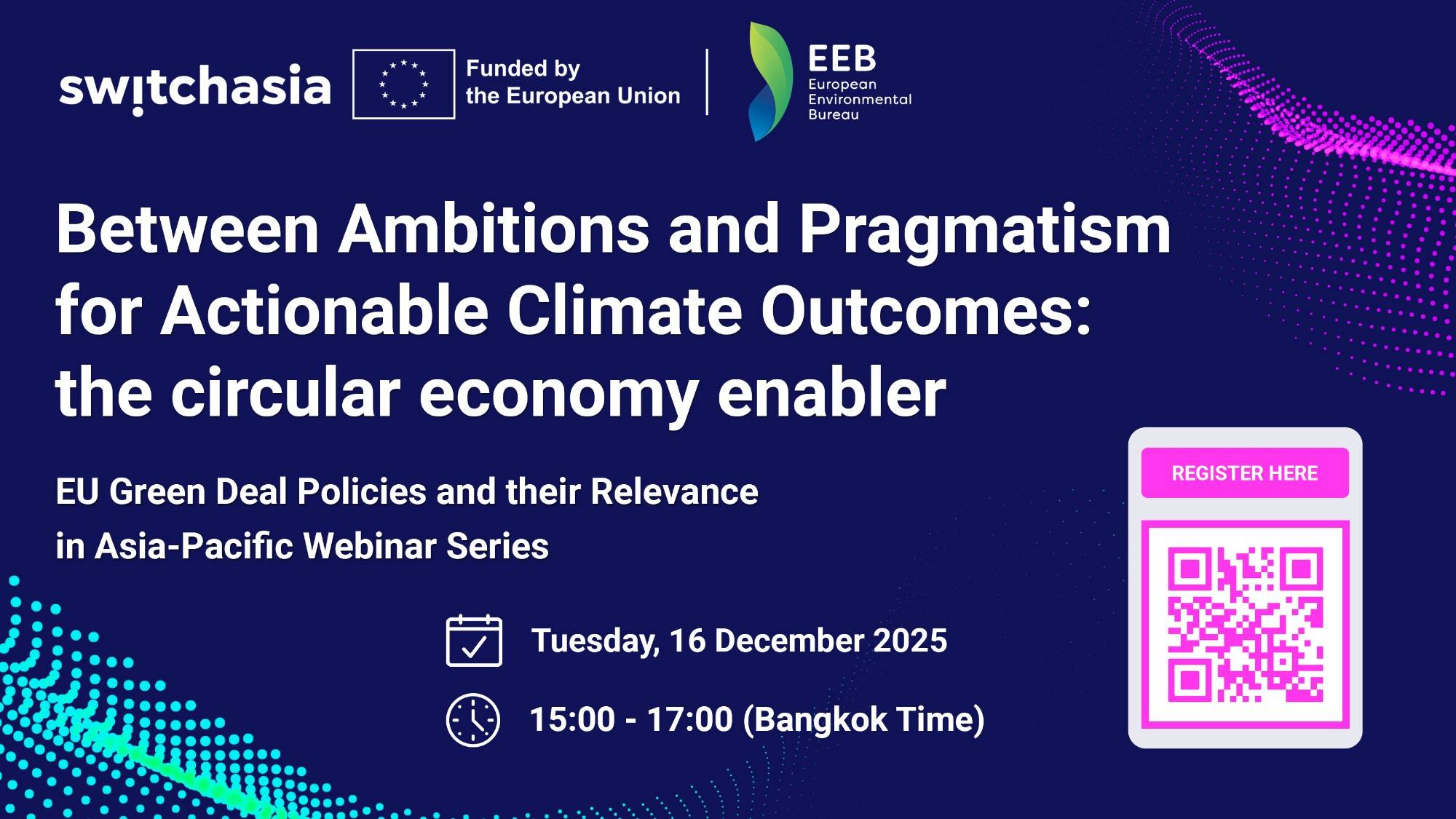
WHEN: 16 December 2025 I TIME: 15:00-17:00 (Bangkok Time) I Watch the recording HERE
Background
In December 2015, the Paris Agreement was adopted. It aims to limit the global average temperature increase to well below 2°C above pre-industrial levels, and to increase parties’ ability to adapt to the adverse impacts of climate change and make financial flows consistent with a pathway toward low GHG emissions and climate resilient development. Each party shall communicate, at five-year intervals, successively more ambitious NDCs.
At COP29 in Baku last year, a new collective quantified goal (NCQG) on climate finance, to at least USD 300 billion per year by 2035, was reached, calling on all actors to work together to scale up financing to developing countries for climate action from all public and private sources.
Meanwhile, it is expected that the next round of NDCs must deliver on the promise to ramp up renewables and transition away from fossil fuels. At the Bonn June Climate meetings in preparation of annual COP, the closing statement includes a renewed call for fossil fuel phase out, concerns about limited progress on technology and the need for a clear roadmap to the USD 1.3 trillion in climate finance to deliver concrete milestones. It also puts the most vulnerable at the center and supports a tripling of adaptation finance.
Expectations from COP30 in Belem are very high, including synthesis reports on NDCs and biennial transparency reports. While concerns about climate change are on the rise and negotiations will continue for many years to come, it is important to remind ourselves that climate change is not just about CO2; it is about overconsumption and irresponsible production, irresponsible extraction and use of material. If actions at individual level are important, it is through collective action for a common good, based on the principles of SCP and circular economy, that the fight against climate impacts and building the path towards sustainability can be achieved.
Guided by science and economy, policy makers can bridge the gap between what is possible and what is needed by knowingly advancing policies that will be well received by most, embracing pragmatism to build trust before handling the most serious and complicated issues, starting with what is possible, creating momentum and helping catalyze new technologies, new economics, and new politics, making accelerated change possible.
Webinar Session:
The EU SWITCH-Asia Policy Support Component and the European Environmental Bureau, are convening the webinar, Between Ambitions and Pragmatism for actionable climate outcomes: the circular economy enabler.
The objectives of the webinar are:
- To assess the key conclusions, decisions and directions from UNFCCC COP30 with special reference to integration of circular economy principles into climate mitigation and adaptation strategies.
- To explore how the circular economy-climate linkages could support the operationalization of the COP30 outcomes and their potential impacts to de-risk and attract public and private finance, thereby transforming markets and value chains towards low-carbon and climate-resilient economies.
- To discuss the policies, partnerships, and support mechanisms required to empower businesses, particularly SMEs, as central actors in implementing circular, low-carbon, and resilient solutions at scale.
- To discuss and derive concrete policy guidance and actionable strategies from the COP30 stocktake, focusing on how to effectively implement the material-CE-climate nexus for accelerated on-the-ground results.
Moderators:
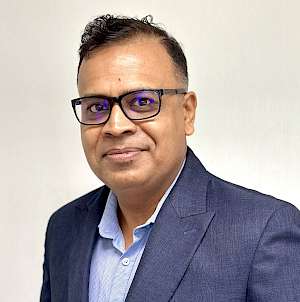 Ranga PALLAWALA, Expert, Climate Change, EU SWITCH-Asia Policy Support Component
Ranga is the Expert on SCP integration into nationally determined contributions (NDCs) and compliance with global and regional multilateral environmental and climate change related agreements at the SWITCH-Asia Policy Support Component. He has extensive experience in international climate change negotiations and working with Governments, business and civil society to assess and design roadmaps to achieve or comply with international climate change standards.
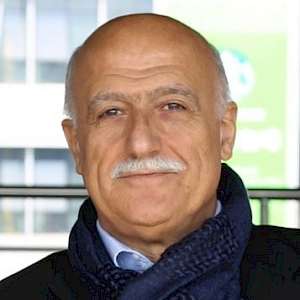 Arab Hoballah, SCP Senior Expert, SWITCH-Asia Policy Support Component and Team Leader, EU-Türkiye Sustainable Industry Transformation
Arab Hoballah serves, since November 2025, as Team Leader, EU-Türkiye Sustainable Industry Transformation, providing tailored assistance to textile and apparel industry sectors, in their transition towards circularity and sustainability, inducing and accompanying stakeholders to improve their resource efficiency and environmental performance, reducing carbon and water footprints in their production and export. He is also a SCP Senior Expert for the EU SWITCH-Asia Policy Support Component. He served as Executive Director to SEED, Entrepreneurship for Sustainable Development, 2021-2025. From 2005 to 2016, Arab was Chief of Sustainable Consumption and Production/SCP in UNEP, where he looked for mainstreaming Resource Efficiency and SCP policies and actions at local, national, regional and global levels, through various sectors, various tools and methodologies and relevant partnerships in close cooperation with governments, business and industry, civil society. A major outcome of this work is the 10YFP, the 10 Year Framework of Programmes on SCP, adopted at Rio+20.
Speakers
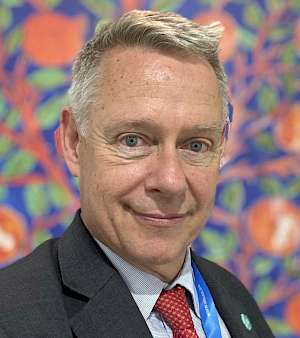 Niclas SVENNINGSEN, Manager, Mitigation Division, UNFCCC
Niclas Svenningsen is a manager at the UNFCCC Secretariat, where he supports UNFCCC’s collaboration with governments, private sector, civil society, and other UN organizations. He has 30 years’ experience from working in the UN across all continents, with a specific focus on sustainable consumption and production, private sector engagement and policy making. Niclas has led and developed a range of UN initiatives in support of engaging private sector-government cooperation in diverse sectors, from carbon markets, heavy industry, construction and transport, to sustainable consumption, nature protection, fashion, sports and tourism. He also acted as UNFCCC’s senior adviser to the Azerbaijani COP29 presidency in 2024 and is currently supporting countries preparation and submission of National Climate Action Plans (aka NDC – Nationally Determined Contributions). He has an educational background in civil engineering and environmental law.
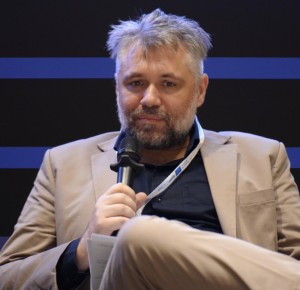
Michael BUCKI, Counsellor for Environment and Agriculture at the EU Delegation to Thailand
Dr. Bucki holds a PhD, and Engineering degree, from the French National School for Forest and Water Management. His core interest is to find and share pragmatic, collective solutions for global citizens, producers and consumers to adapt to rapidly deteriorating “planetary boundaries”, and more specifically to adapt the EU “Green Deal” strategy of sustainable economic growth to the context and needs of emerging economies, fostering mutually profitable (industrial, agro-ecologic) transitions for affordable sustainability and resilience. Prior to joining the EU Delegation to Thailand, he was Counsellor, Head of Section at the EU Delegation of the European Union to India, where he led dialogue and cooperation between the EU and India on “Sustainable Modernisation”: circular economy, biodiversity, transports, smart cities, clean air and water, energy and climate change.
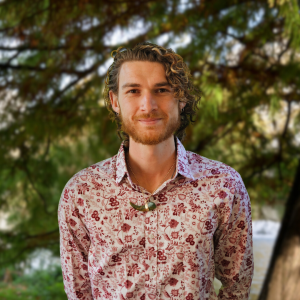 Luc POWELL, Senior Policy Officer for Air Quality and Agriculture, European Environmental Bureau (EEB)
Luc Powell leads the EEB’s work on methane reductions in the agriculture sector as part of the Methane Matters Coalition, which spans agriculture, waste, and energy. He recently led a discussion at COP30 linking methane emissions to the environmental and health impacts of ground-level ozone, and advocating for the food-system reforms needed for real reductions. Before joining the EEB, he contributed to New Zealand’s Ardern government under the Resource Management and Building regulatory reforms. With a background in international relations and experience across sectors and jurisdictions, he brings a global perspective on the political and practical challenges of achieving meaningful reform.
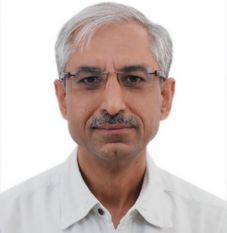 Mukesh GULATI, Executive Director, Foundation for MSME Clusters
Mr. Gulati initiated and contributed substantially to the institutionalization of cluster-based Micro, Small & Medium Enterprise (MSME) policy and implementation framework in India. He also supported similar initiatives in several other developing countries. He coordinated a number of development projects on behalf of the United Nations Industrial Development Organisation (UNIDO) for 12 years (1996-2008) for MSME development. He represented UNIDO on several international forums and also successfully organized more than 25 international training programmes on cluster development over his career. Mr. Gulati has authored several books and publications in the area of MSME development. He also steered the setting up of the Foundation for MSME Clusters in the year 2005 and nurtured it to become a resilient institution that works with a number of multilateral & bilateral donor institutions besides national ministries and development institutions.
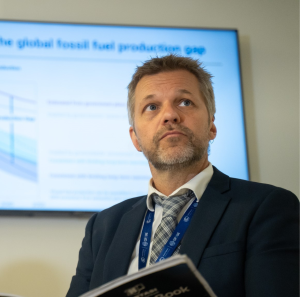 Niklas HAGELBERG, Coordinator of the sub-programme on Climate Action, UNEP Climate Change Division
Niklas Hagelberg works with the United Nations Environment Programme, as a Senior Programme Officer where he coordinates the Climate Action Programme. Previously Niklas coordinated UNEP’s Ecosystem Management Programme and he is a Steering Committee member for the Adaptation, Emissions, and Production Gap reports. Over the last 20 years his work has included negotiations on international conventions, climate transparency, carbon markets, environmental governance, rural development and conservation.
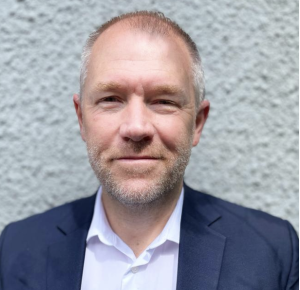 Donovan STOREY, Technology and Economic Assessment Panel (CCAC-TEAP) manager and waste expert at the Climate and Clean Air Coalition, UNEP
Donovan Storey is currently the Technology and Economic Assessment Panel (CCAC-TEAP) manager and waste expert at the Climate and Clean Air Coalition, UNEP. In his capacity Donovan supports the TEAP to develop and share knowledge with countries on promising, innovative and underfinanced short-lived climate pollutant (SLCP) mitigation technologies which can improve both climate and air quality outcomes. Prior to joining CCAC, Donovan worked in senior capacities in international and diplomatic organisations having started his career as an academic specializing in urbanization. Donovan has extensive work experience in Asia, Africa and the Pacific Islands. He holds a PhD in International Development and a Master of Laws, in Public International Law.
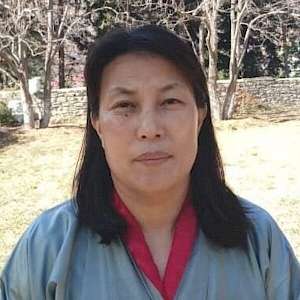 Tenzin WANGMO, Climate Diplomacy Advisor – LDC Support, Climate Analytics
Tenzin is based in Thimphu, Bhutan and provides support to the LDC Chair and the LDC Group in the negotiation process and beyond, to ensure a smooth leadership to the LDC Group. Prior to her joining the Climate Analytics, she was the lead negotiator for the LDC Group under the UNFCCCprocess. Tenzin brings over 20 years of work experience in the areas of climate change, water governance and donor coordination. As a planning officer, she was a pioneer in mainstreaming Bhutan’s development philosophy of Gross National Happiness (GNH) into the national strategic policies and five-year development plans and programs. Tenzin also worked closely with the grassroot communities in the implementation and monitoring of their development activities. As the chief of Climate Change Division at the National Environment Commission, Tenzin played a pivotal role in facilitating the preparation of the NDC, LTS and NAP.
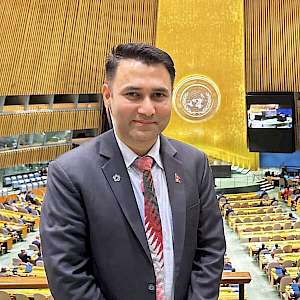 Manjeet DHAKAL, Head of LDC Support Team, Climate Analytics
Manjeet leads the LDC Support Team, providing technical inputs and analysis to the Chair and members of the LDC Group. He also serves as an Advisor to the Chair of the Least Developed Countries (LDC) Group at the UN Climate Change multilateral process. In this role, he has worked with Nepal, Angola, Democratic Republic of Congo, Ethiopia, Bhutan, Senegal and currently Malawi, and played a key part of the LDC efforts that led to the Paris Agreement in 2015. He has provided high-level climate leadership support for the LDCs’ officials and ministers in climate change UN-related processes over many years and is responsible for institutional capacity on climate issues. He has been following and participating in the UNFCCC negotiations for more than a decade.
Agenda
|
16 December 2025 |
|
|
15:00-15:10 |
Opening and welcome addresses
|
|
15:10-15-25 |
Keynote address on status on negotiations and challenges for implementation
|
|
15:25-16:10 |
Panel 1: Policies and means for implementation, pathways for alternative actions Moderated by Ranga Pallawala, Key Expert for Climate Change, SWITCH-Asia PSC
|
|
16:10-16:55 |
Panel 2: Business and entrepreneurship, partnerships, incentives and innovations (“No net zero without SMEs”) Moderated by Arab Hoballah, SCP Senior Expert, SWITCH-Asia Policy Support Component and Team Leader, EU-Türkiye Sustainable Industry Transformation
|
|
16:55-17:00 |
Concluding Remarks and Next Steps
|