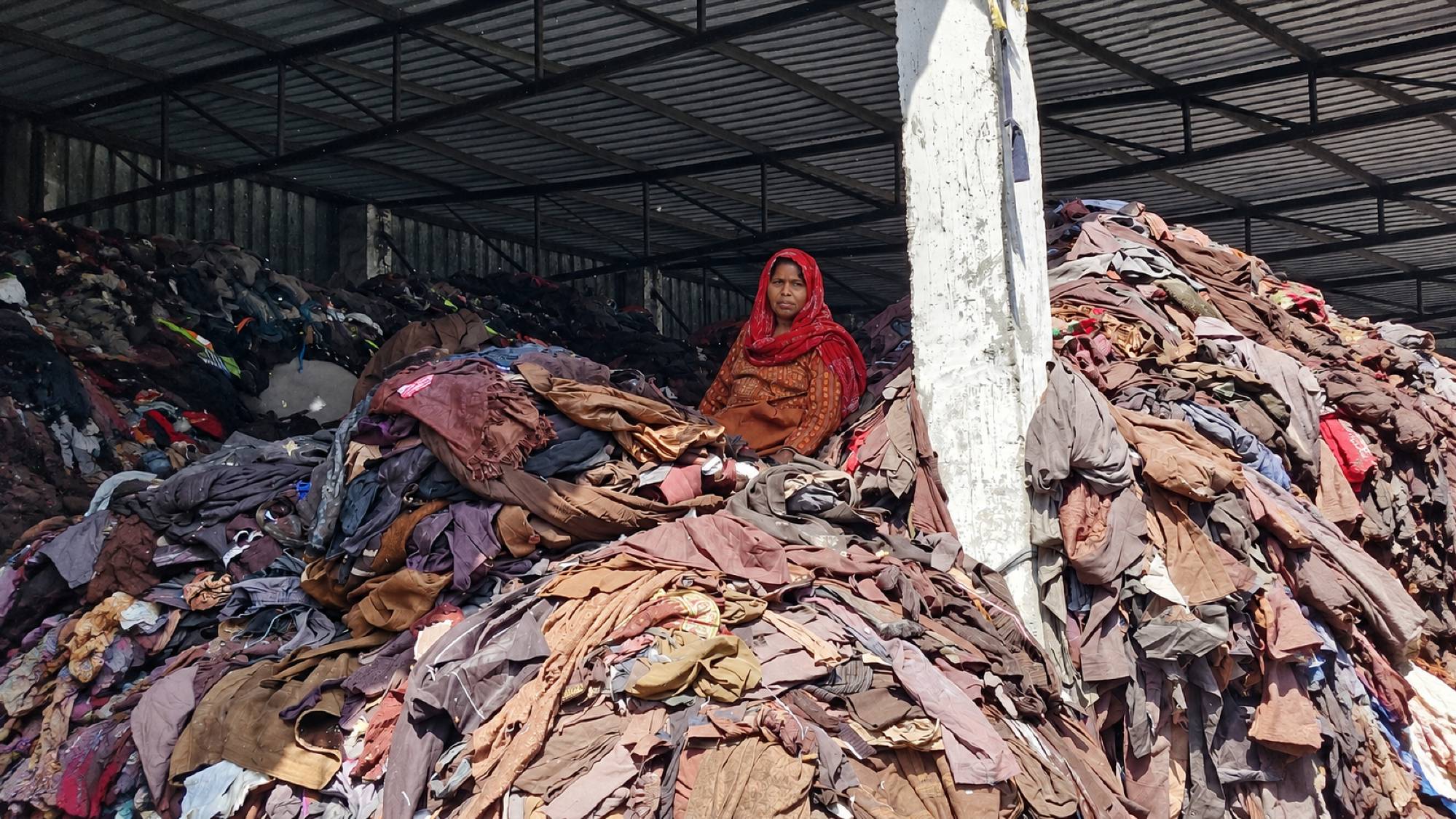
In Panipat, more than 60 MSMEs, exporters and industry stakeholders explored how sustainable cluster branding, traceability and circular production can help India’s recycled textile sector prepare for a changing European market.
Panipat, India — For India’s textile and apparel manufacturers, sustainability is increasingly becoming more than an environmental commitment. It is emerging as an important factor in maintaining access to major international markets.
This shift was at the centre of a recent Sustainable Cluster Brand (SCB) and EU Sustainability Regulations Workshop held in Panipat on 18 September 2026, under the EU funded SWITCH-Asia Green Threads Project, where more than 60 MSMEs, exporters and other stakeholders from the recycled textile cluster came together to examine how changing European sustainability requirements could affect the way textiles are designed, manufactured, documented and traded.
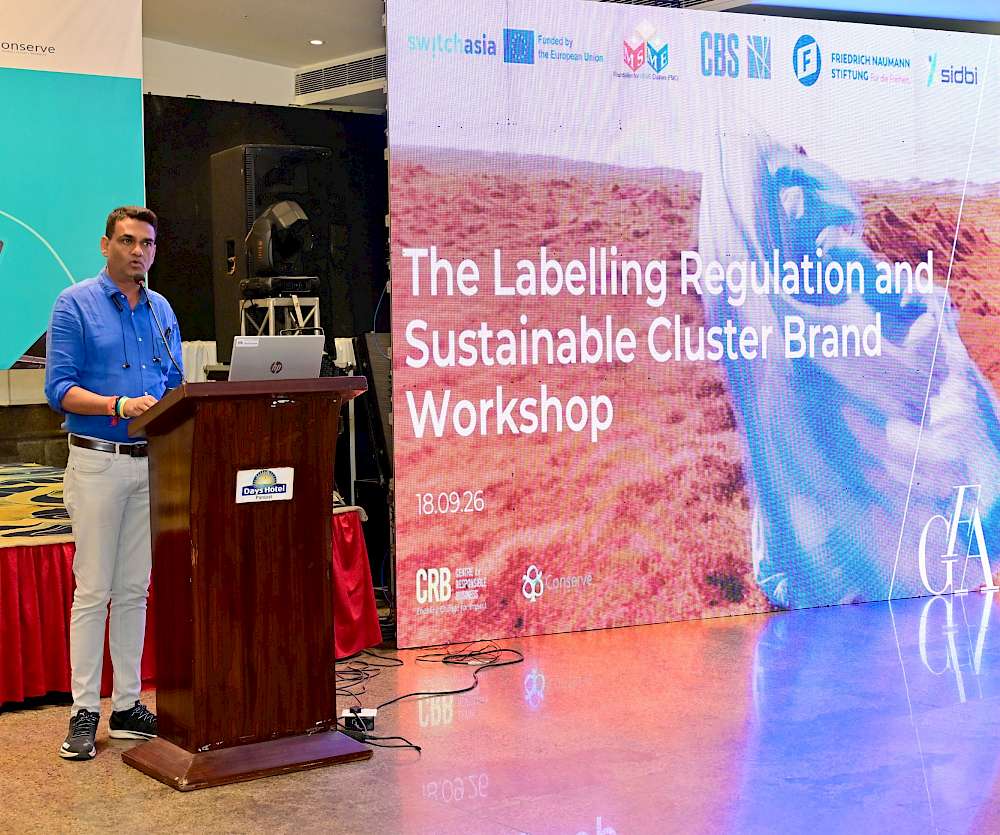
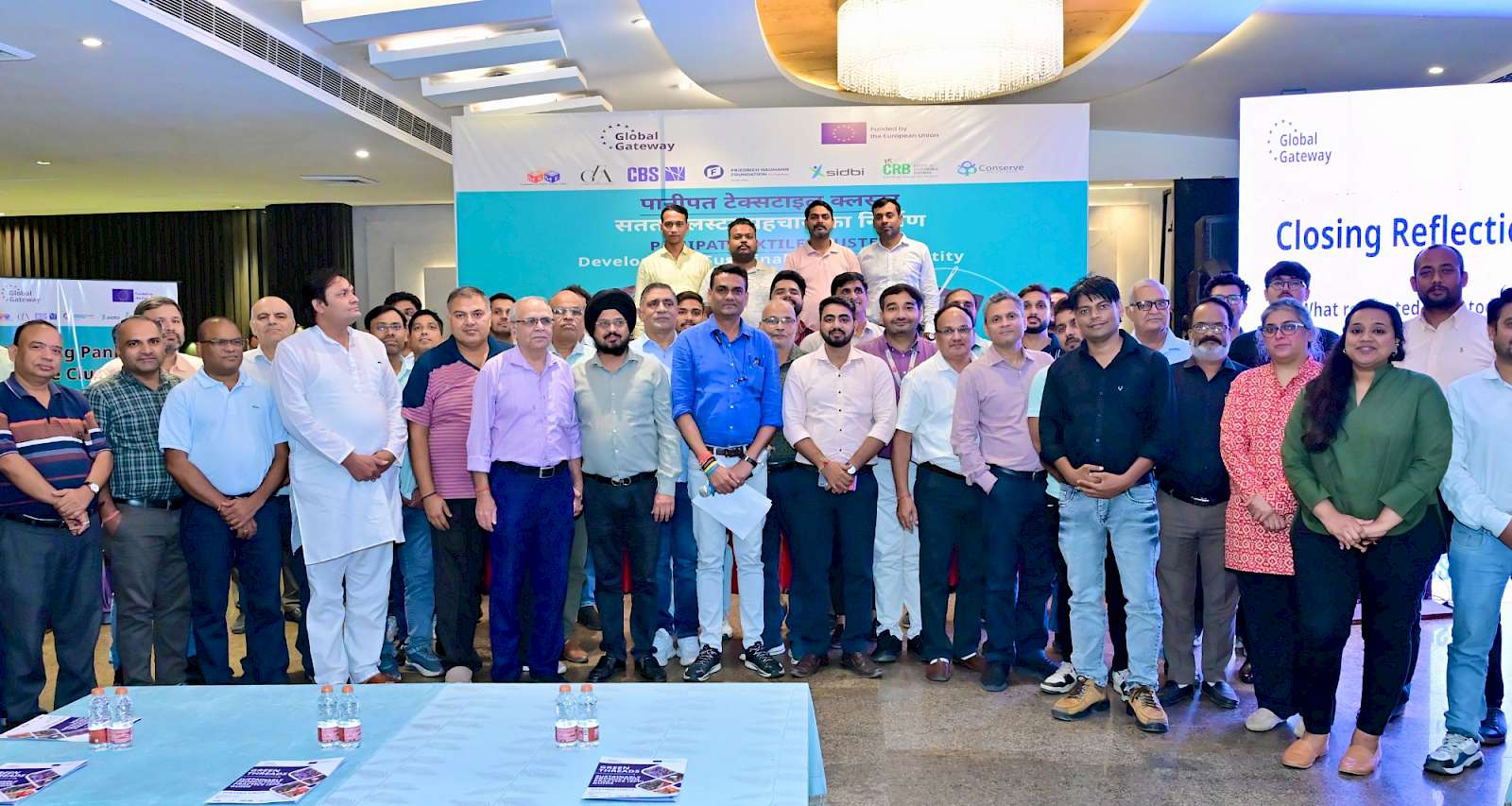
Organised by the Foundation for MSME Clusters (FMC) in collaboration with consortium partners Global Fashion Agenda (GFA) and the Small Industries Development Bank of India (SIDBI), with participation from the Centre for Responsible Business (CRB) and Conserve India, the workshop focused on two closely connected issues: preparing companies for the evolving European regulatory environment and developing a Sustainable Cluster Brand that can help Panipat enterprises demonstrate stronger sustainability performance.
Why EU sustainability rules matter for Indian textiles
The European Union is pursuing a significant transformation of its textile market under the EU Strategy for Sustainable and Circular Textiles, which envisages textile products sold in Europe becoming more durable, repairable and recyclable, incorporating recycled materials and being produced with greater attention to environmental performance throughout their lifecycle.
This transition is being implemented through a growing set of interconnected policies and regulations covering product design, traceability, producer responsibility, consumer information, waste and circularity.
Of particular importance for manufacturers outside Europe is the Ecodesign for Sustainable Products Regulation (ESPR). The regulation provides the legal framework through which the EU can establish sustainability requirements for products placed on its Single Market, including requirements related to durability, recyclability, recycled content and environmental information. Textiles and apparel have been identified among the priority product groups in the EU's 2025–2030 ESPR Working Plan.
The ESPR also establishes the framework for the Digital Product Passport (DPP), intended to make relevant product information accessible digitally throughout the value chain. Product-specific requirements will be developed progressively, meaning businesses need to follow the emerging rules closely rather than treating the full textile DPP framework as already operational.
For Indian exporters, these developments are significant because EU requirements applicable to products placed on the European market can extend through global supply chains. The ability to provide reliable information about materials, recycled content, product composition, manufacturing processes and other sustainability characteristics can therefore become increasingly important for suppliers seeking to work with European buyers.
This has particular relevance for India’s MSMEs. Smaller manufacturers may have strong sustainability practices on the factory floor but still face challenges in documenting them systematically, tracing materials through complex supply chains or producing the data increasingly requested by international buyers.
In this context, traceability becomes a competitiveness issue as much as an environmental one. Enterprises able to demonstrate where their materials come from, how products are manufactured and how recycled inputs are managed will be better equipped to respond to increasingly data-intensive supply chains.
The regulatory transition extends beyond product design. EU rules have also introduced harmonised Extended Producer Responsibility (EPR) requirements for textiles, strengthening the responsibility of producers for products when they become waste. Meanwhile, the EU's revised Waste Shipment Regulation, which entered into force in 2024 with major provisions applying progressively from 2026 and 2027, strengthens controls and traceability around cross-border waste movements. These developments are particularly relevant to recycling ecosystems and businesses operating within international secondary-material value chains.
The EU is also reviewing its existing Textile Labelling Regulation, which currently primarily governs fibre composition, with the aim of exploring more comprehensive and potentially digitalised consumer information requirements, including environmentally relevant information.
Taken together, these measures signal a broader shift: sustainability performance is becoming increasingly embedded in the rules, information systems and commercial expectations surrounding textile products sold in Europe.
For a major textile-producing country such as India, preparing early can therefore help turn regulatory adjustment into a market opportunity.
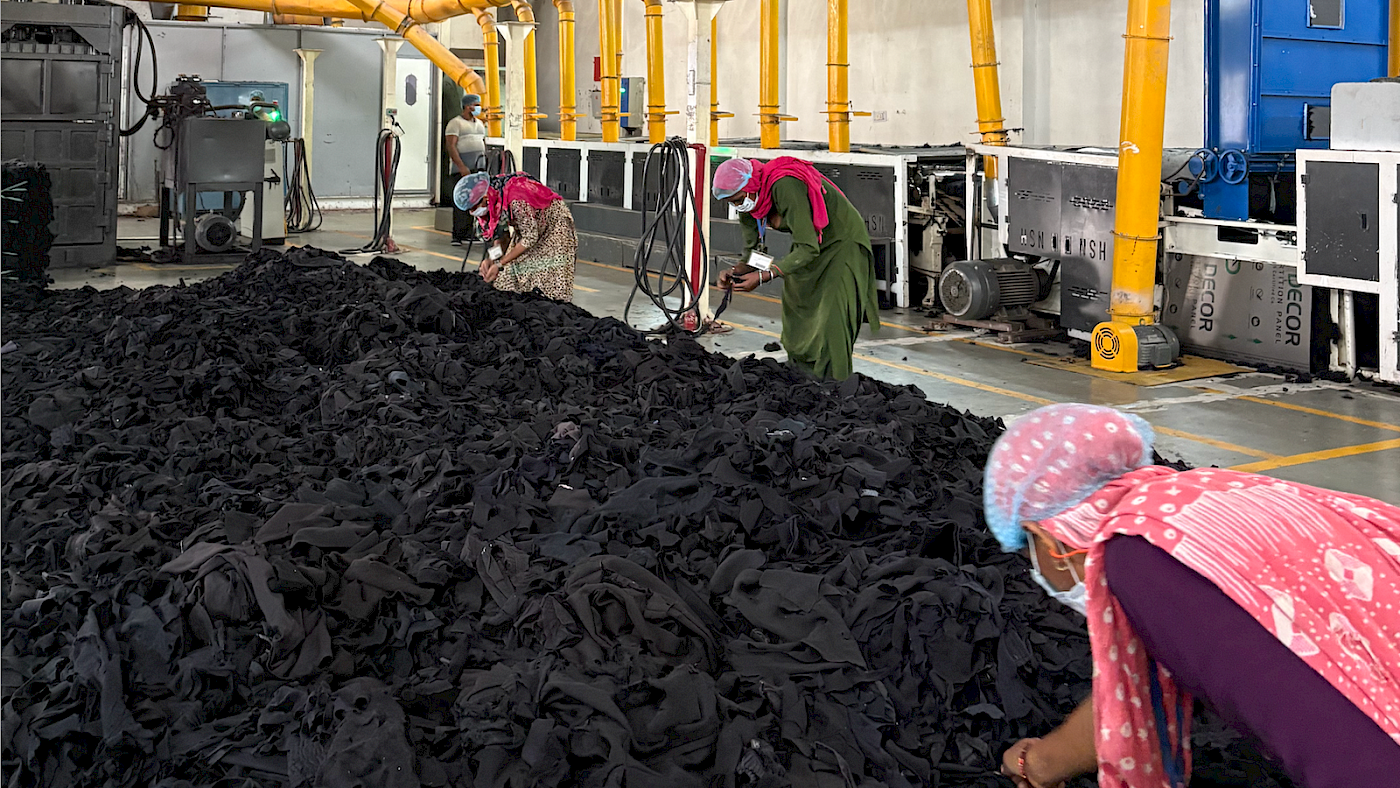
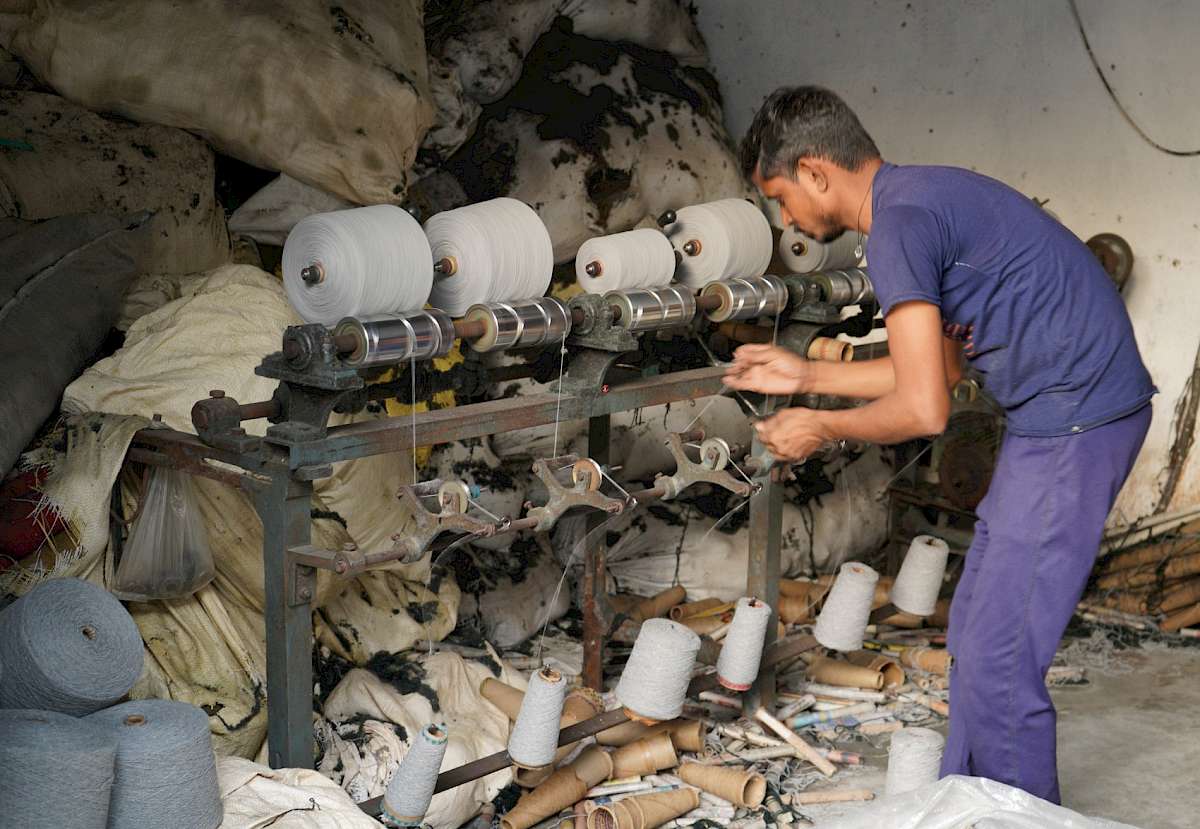
Connecting regulation with competitiveness in Panipat
Opening the workshop, Abhishek Naga, Deputy General Manager, Energy & Environment at FMC, highlighted the need for MSMEs to adapt proactively to changing sustainability standards in order to remain competitive internationally.
The commercial opportunity remains substantial. According to figures presented during the workshop, the European market imported approximately EUR 180.5 billion in apparel in 2024, including around EUR 79.2 billion from developing countries. India accounted for approximately EUR 4.1 billion in apparel imports, rising to nearly EUR 7 billion when textiles, apparel and home textiles are considered together.
For manufacturers in clusters such as Panipat, the question is therefore not simply how to comply with new expectations, but how to use improved sustainability performance to strengthen their position within an important export market.
Harshitha Venati, Senior Impact Manager at Global Fashion Agenda, introduced participants to developments surrounding EU textile labelling and consumer information requirements. The discussion built on previous Green Threads sessions covering the Ecodesign for Sustainable Products Regulation, Extended Producer Responsibility and the Waste Shipment Regulation, helping participants understand how different pieces of the European sustainability framework interact.
Devyani Hari, Senior Director at the Centre for Responsible Business, explored the emerging Digital Product Passport and the proposed criteria for the Sustainable Cluster Brand, highlighting the importance of credible information, traceability and sustainability performance across textile value chains.
Rakesh Vig, Manager at the Small Industries Development Bank of India, also participated in the workshop, reinforcing the importance of institutional engagement in supporting MSMEs through the transition.
From individual compliance to a sustainable cluster identity
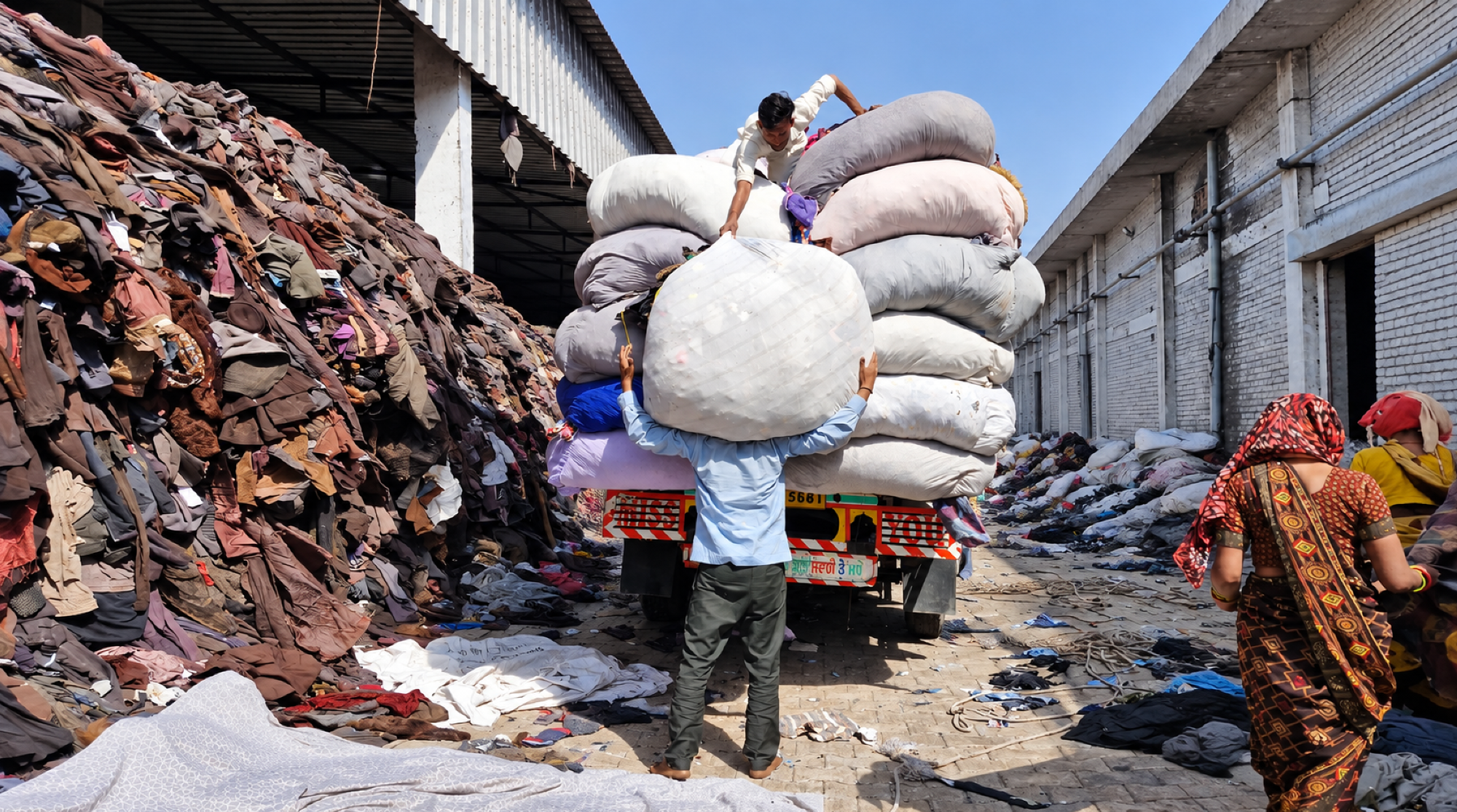
Alongside regulatory preparedness, the workshop advanced discussions on the proposed Sustainable Cluster Brand for Panipat.
Rather than approaching sustainability solely as a requirement that individual businesses must address independently, the initiative seeks to create a common framework through which enterprises within the cluster can demonstrate progress in areas such as circularity, resource efficiency, energy performance, traceability and responsible production.
Participants discussed the proposed SCB criteria with the aim of developing greater understanding and agreement ahead of their subsequent adoption.
For a cluster internationally recognised for textile recycling, such an approach could help connect Panipat's existing circular-economy strengths with the increasingly rigorous sustainability expectations of global markets.
The discussions also highlighted a central challenge: circular production alone is no longer sufficient if businesses cannot provide credible evidence of how products and materials move through the supply chain.
This makes data, documentation and traceability increasingly important alongside improvements in manufacturing practices themselves.
More than 60 MSMEs, exporters and stakeholders participated actively in discussions covering SCB adoption, energy efficiency, circularity, product information and regulatory preparedness, connecting international policy developments with the operational realities facing local businesses.
Green Threads: supporting India's textile transition
Supported by the EU SWITCH-Asia Programme, the Green Threads Project works to accelerate the transition of India's textile and apparel sector towards more circular, resource-efficient and lower-impact production systems. The initiative combines capacity building, technical assistance, stakeholder engagement and policy dialogue to help textile MSMEs understand emerging sustainability requirements and translate them into practical changes within their businesses. This includes supporting companies to better understand developments related to the ESPR and Digital Product Passports, EU waste and circularity policies and other sustainability requirements; improve resource efficiency and waste management; strengthen traceability; and develop more resilient and competitive business models.
Implemented in India by the Foundation for MSME Clusters, together with project partners, Green Threads focuses particularly on textile hubs including Panipat and Amroha, where clusters of smaller enterprises play an important role in India's textile manufacturing and recycling ecosystem.
As European textile policy increasingly links market access with circularity, product information and environmental performance, initiatives such as Green Threads aim to ensure that MSMEs are not simply responding to new regulations after they arrive. The objective is to help them anticipate change, build the systems needed to demonstrate sustainability and position greener production as a competitive advantage in international value chains.
 Media Clippings
File Name: media_clippings.pdf
File Size: 646.66 KB
Media Clippings
Media Clippings
File Name: media_clippings.pdf
File Size: 646.66 KB
Media Clippings